A cataract clouds the eye's natural lens and slowly blurs your vision. Modern bladeless phacoemulsification gently removes it and replaces it with a clear intraocular lens — a quick, stitch-free, day-care procedure with fast recovery.
A cataract develops when the eye's natural lens turns cloudy — usually with age — causing hazy vision, glare from lights, dull colours and difficulty reading or driving at night. It cannot be cleared with drops or glasses; the only proven treatment is surgery.
At Vishal Eye Center we perform micro-incision phacoemulsification on the WhiteStar Signature platform. The clouded lens is broken up with ultrasound and removed through a tiny, self-sealing incision — no blade, no stitches — and a premium intraocular lens (IOL) is placed in its position.
The whole procedure typically takes 15–20 minutes per eye under local anaesthetic, and you go home the same day.
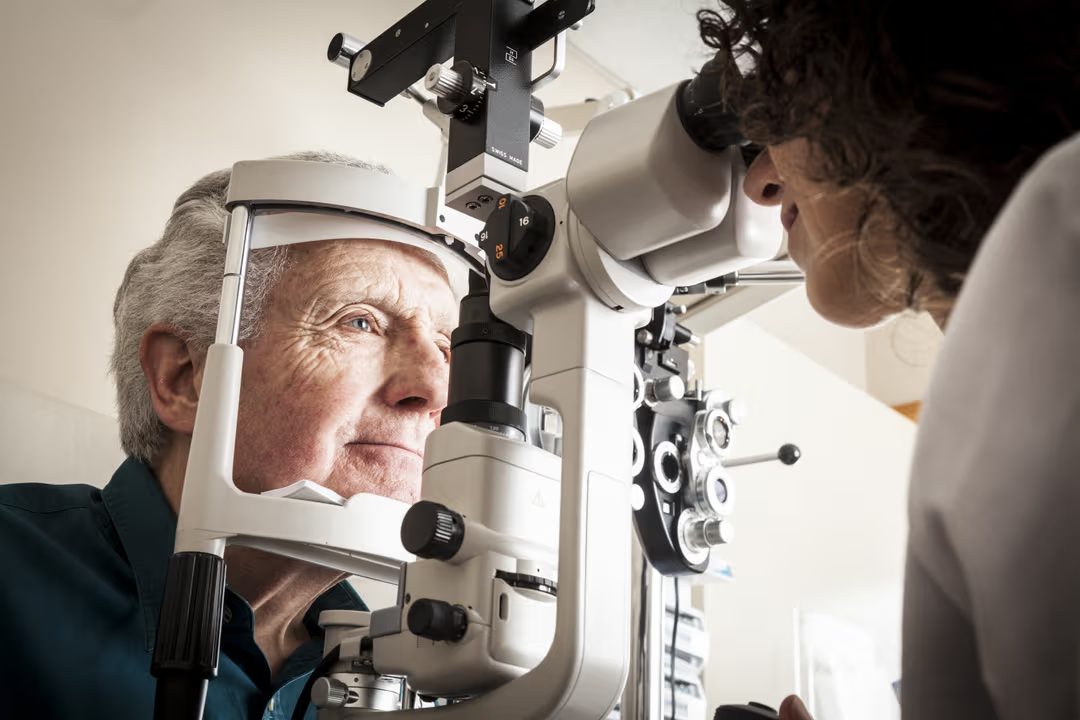
A tiny self-sealing incision means no stitches and a comfortable recovery.
Monofocal, multifocal and toric lens options to match your lifestyle.
A day-care procedure — most patients are home within a couple of hours.
The intraocular lens is permanent, so the choice matters. A monofocal lens gives excellent distance vision (you may still need reading glasses). A multifocal lens can reduce dependence on glasses for both near and distance. A toric lens also corrects astigmatism. Dr. Sharma will explain which option suits your eyes, work and budget.
When cloudy vision starts affecting daily life — reading, driving, recognising faces or working — it is time to get assessed. There is no need to "wait until it ripens"; modern surgery is safe and effective at an early stage.
No. The eye is numbed with anaesthetic drops or a gentle local injection, so you feel little more than mild pressure. The procedure is quick and comfortable, and you stay awake throughout.
Usually the eyes are operated a few days to a couple of weeks apart, allowing the first eye to settle. Dr. Sharma will advise the right interval for you.
Light activities can resume the next day. Reading and screen use are generally fine within a day or two, while strenuous work and swimming are avoided for a few weeks.
It depends on the lens chosen. Multifocal lenses reduce dependence on glasses; with a standard monofocal lens you may need reading glasses. We'll discuss realistic expectations before surgery.
Talk to Dr. Vishal Rajan Sharma about cataract surgery. We'll assess your eyes and explain your options clearly — no pressure, just honest advice.