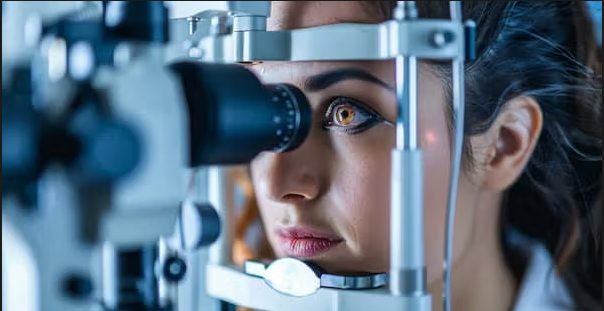
Glaucoma damages the optic nerve — often without warning — and can quietly steal vision before you notice. Early detection and steady management protect your sight for life. We measure eye pressure, image the optic nerve and guide ongoing care.
Glaucoma is a group of conditions that damage the optic nerve, usually linked to raised pressure inside the eye. Because it typically has no early symptoms, many people don't realise they have it until vision is already lost — which is why it is called the "silent thief of sight."
The good news: with early detection and consistent treatment, glaucoma can almost always be controlled, and vision preserved. At Vishal Eye Center we screen for it, diagnose it accurately, and manage it long-term with drops, laser or surgery as needed.
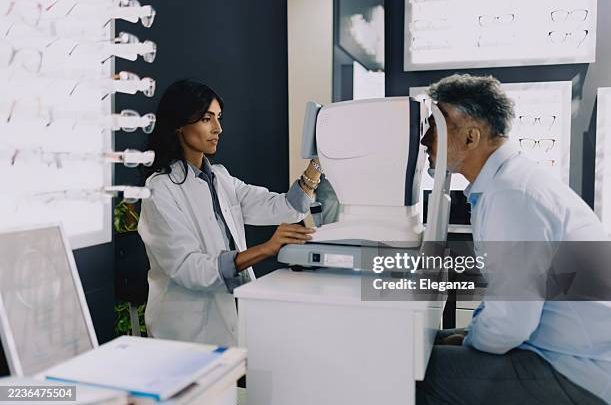
Visual-field testing to detect the earliest loss of side vision.
High-resolution imaging tracks the nerve to catch subtle change.
Drops, laser and surgical options to keep eye pressure in check.
A glaucoma assessment combines eye-pressure measurement, examination of the optic nerve, OCT imaging and perimetry (visual field testing). Because glaucoma progresses slowly, we track these over time to make sure treatment is holding the disease steady.
Most glaucoma is controlled with daily eye drops that lower pressure. When drops aren't enough, laser treatment or surgery can help. The key is consistency — attending reviews and using treatment as prescribed — so we build a plan that fits your routine.
There is no cure, but glaucoma can be very effectively controlled. Early detection and steady treatment usually stop it from progressing, protecting the vision you have.
Most common glaucoma has no symptoms until significant vision is already lost. That is exactly why regular eye checks — especially after 40 — are so important.
No. Measuring eye pressure is quick and painless, and other tests such as OCT and visual fields are non-contact and comfortable.
Consider a baseline check by your late 30s or early 40s, and follow the review schedule we advise. A family history raises your risk, so earlier screening is sensible.
Talk to Dr. Vishal Rajan Sharma about glaucoma care. We'll assess your eyes and explain your options clearly — no pressure, just honest advice.